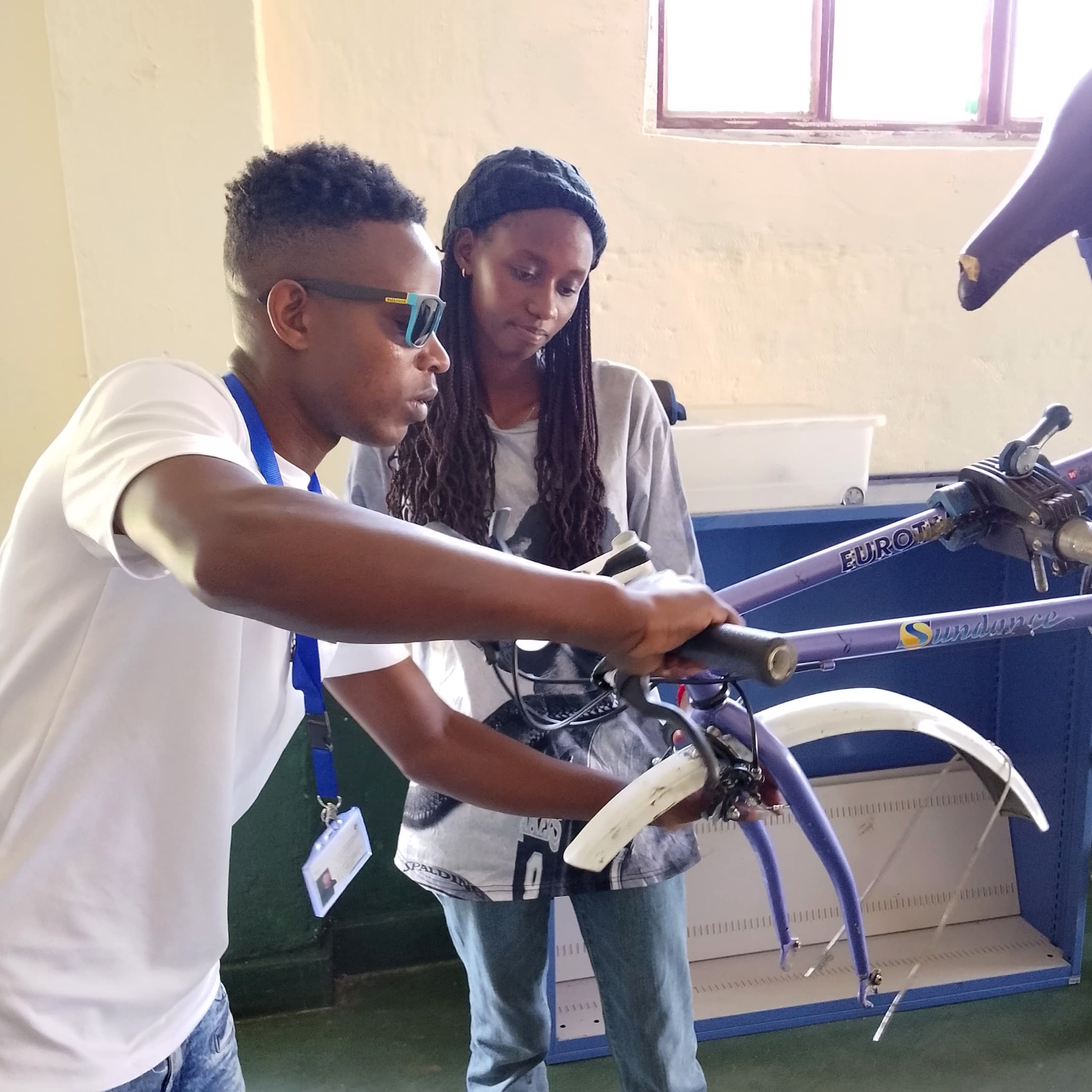
● Theoretical and practical training with certification
● Promotion of future-oriented professions and sustainable mobility
● Job opportunities upon completion of training
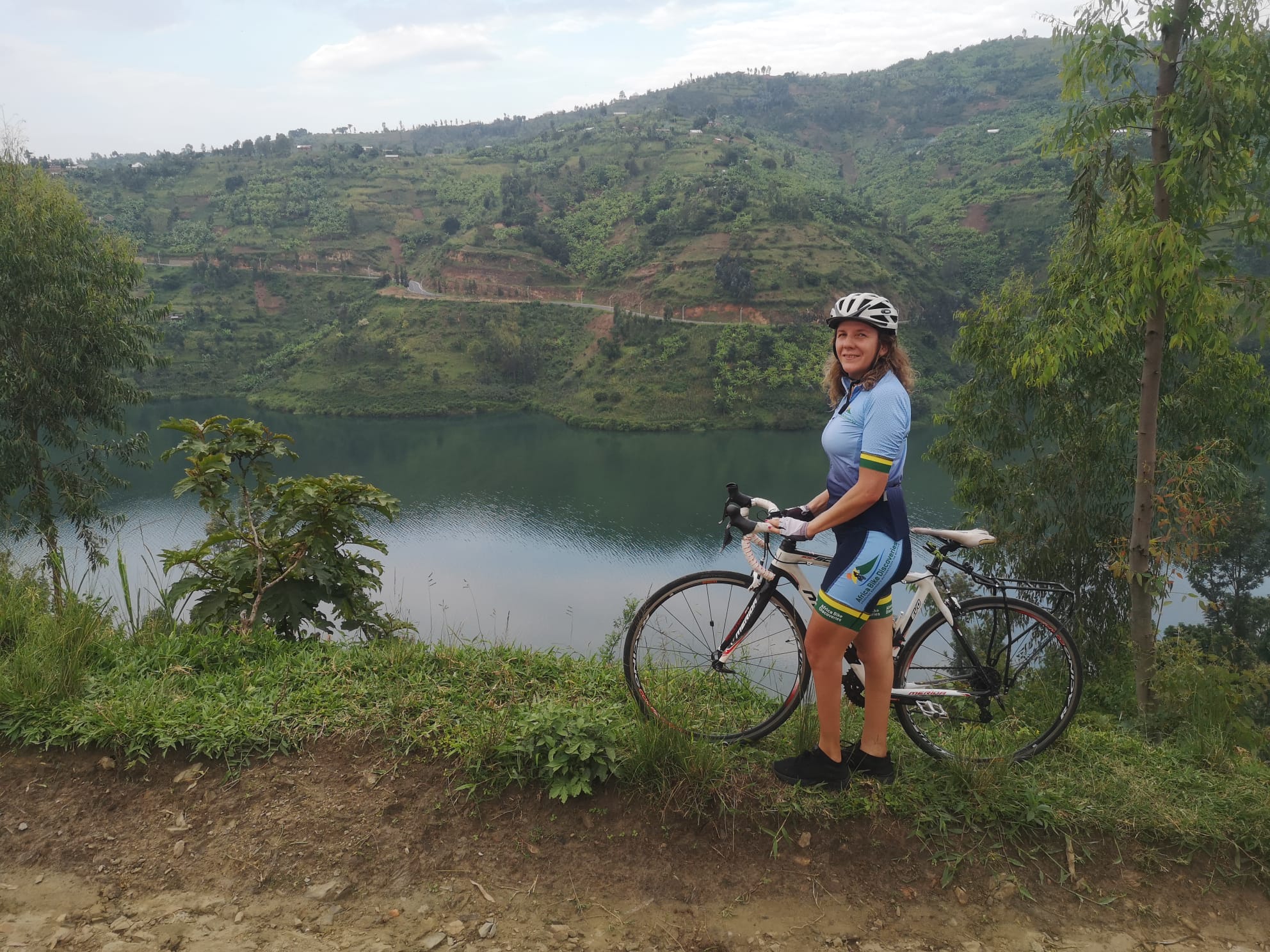
Despite its small size, Rwanda is a land of cycling, whether as a means of transport or for tourism, increasingly popular with enthusiasts.
The development of cycling is strongly stimulated by competitions (Tour of Rwanda, and especially the 2025 World Championships) and increasingly requires qualified professionals for the manufacture, maintenance and repair of bicycles.
Cycling towards autonomy
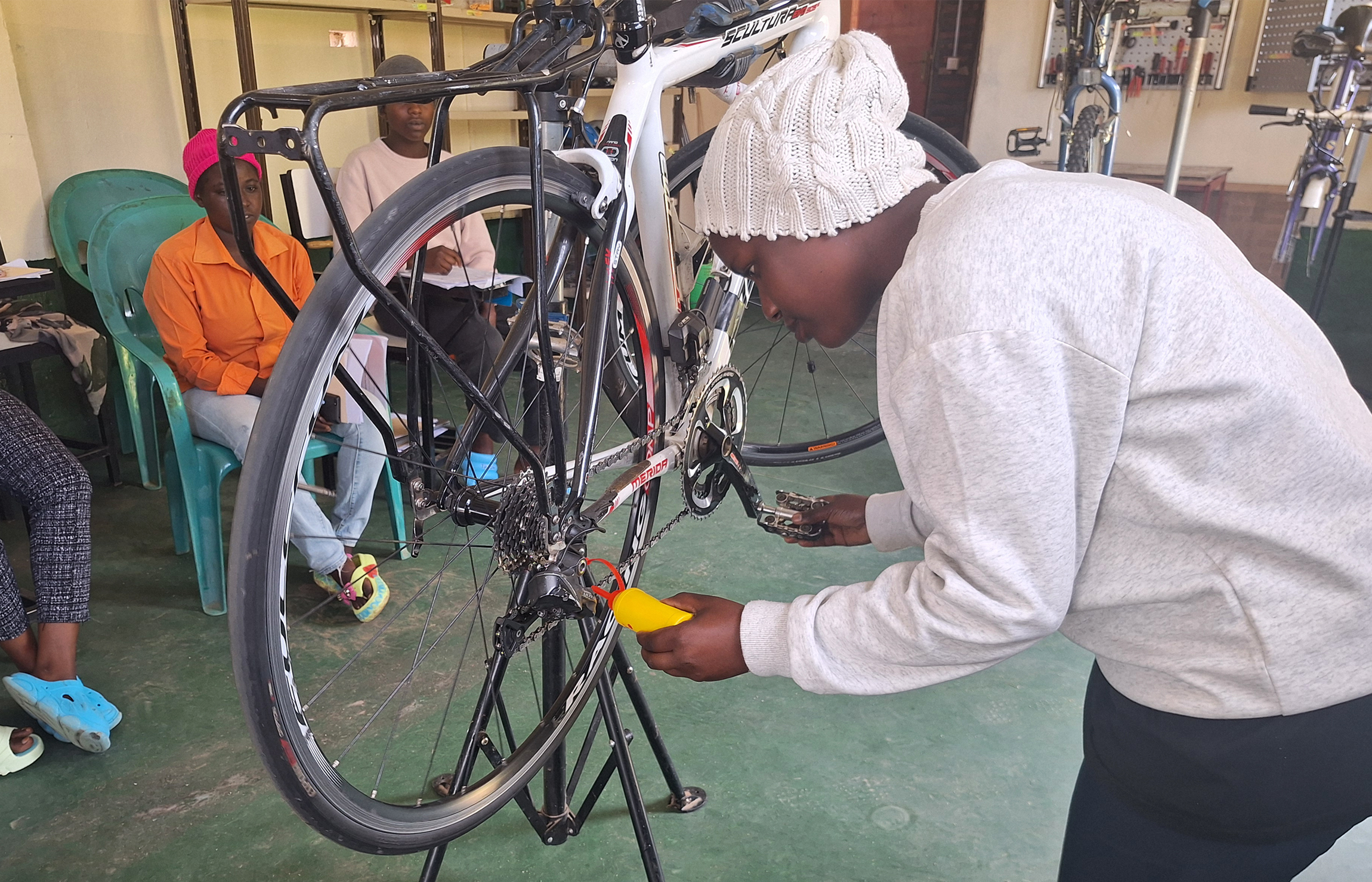
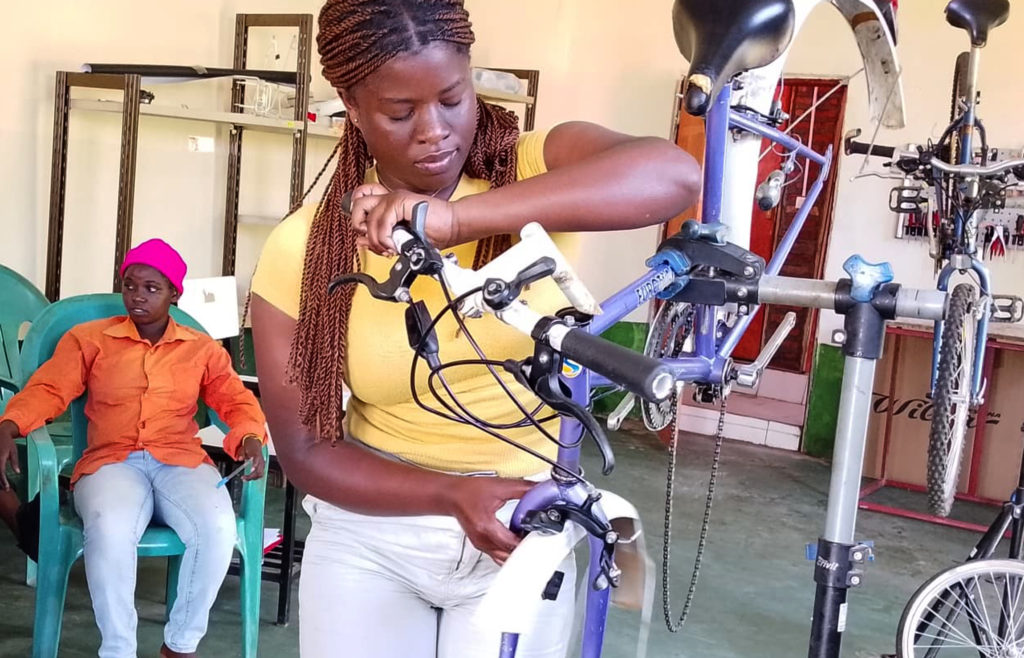
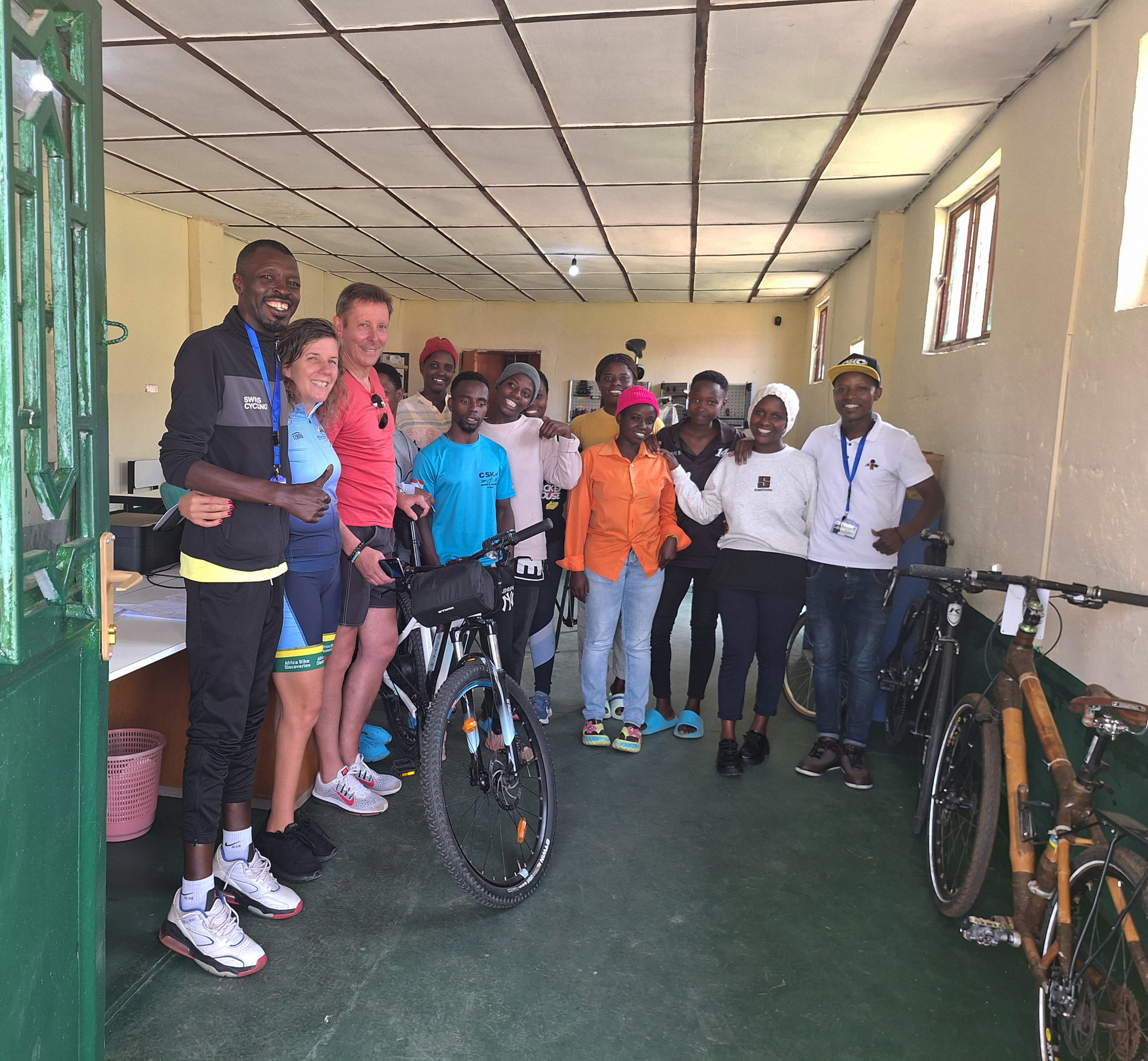
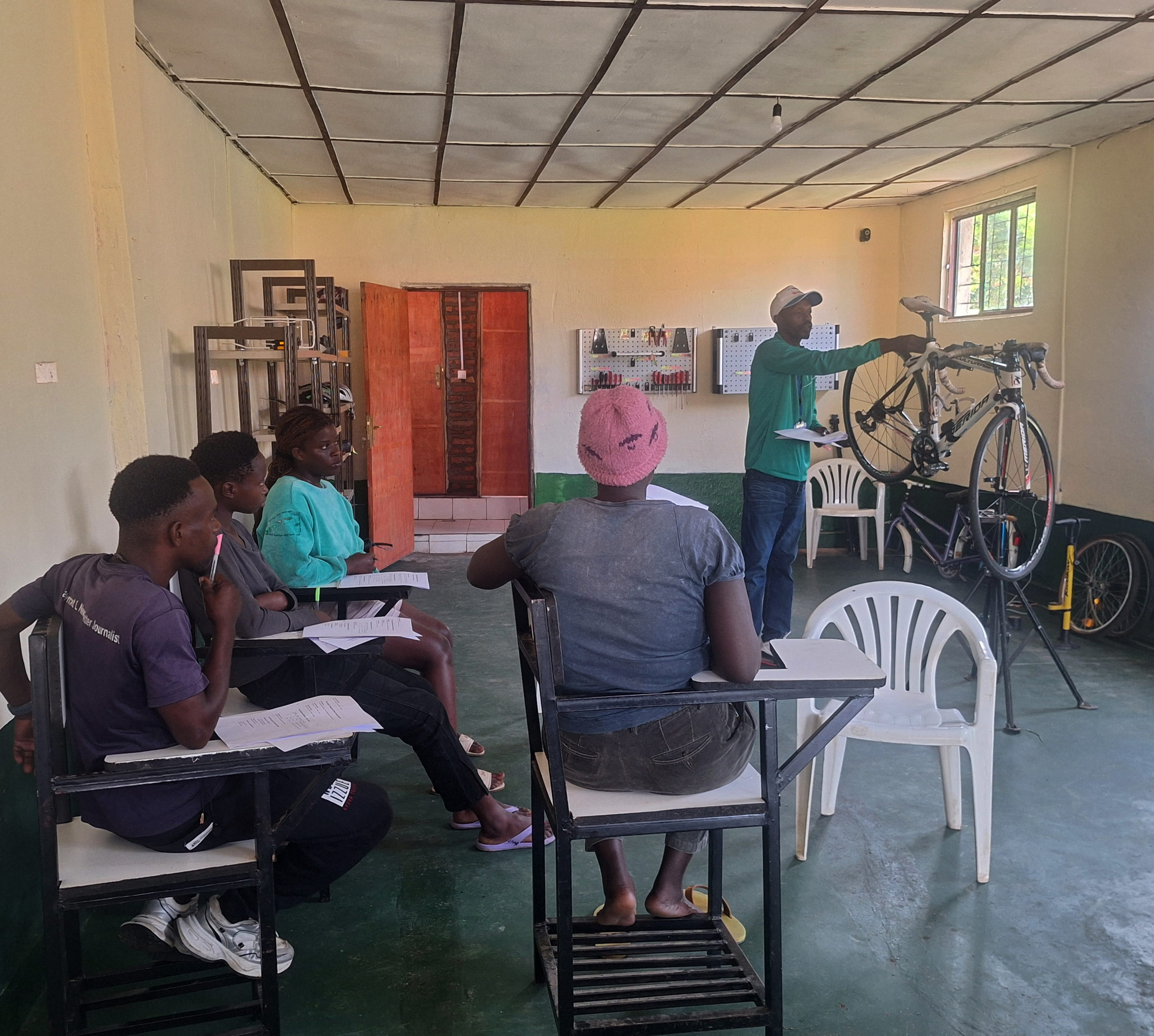
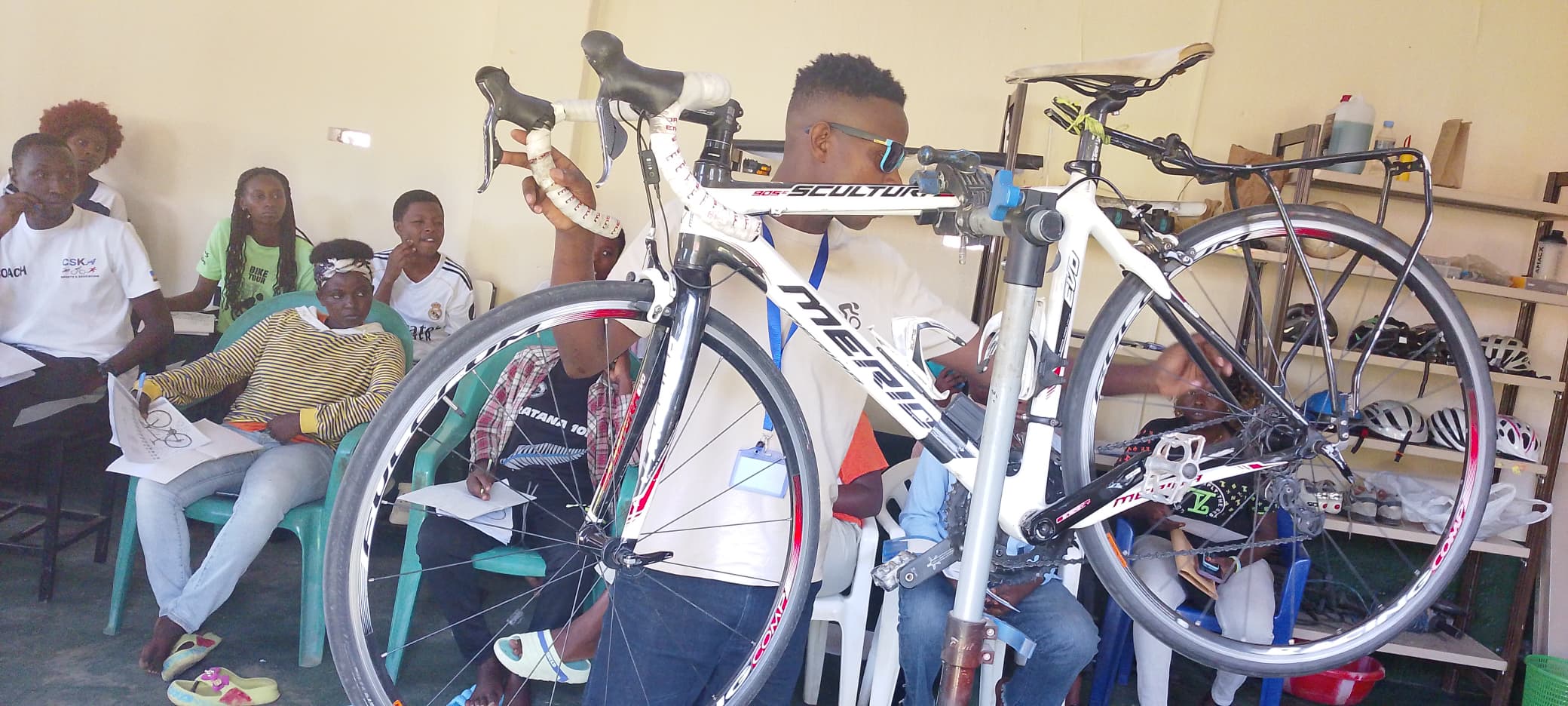
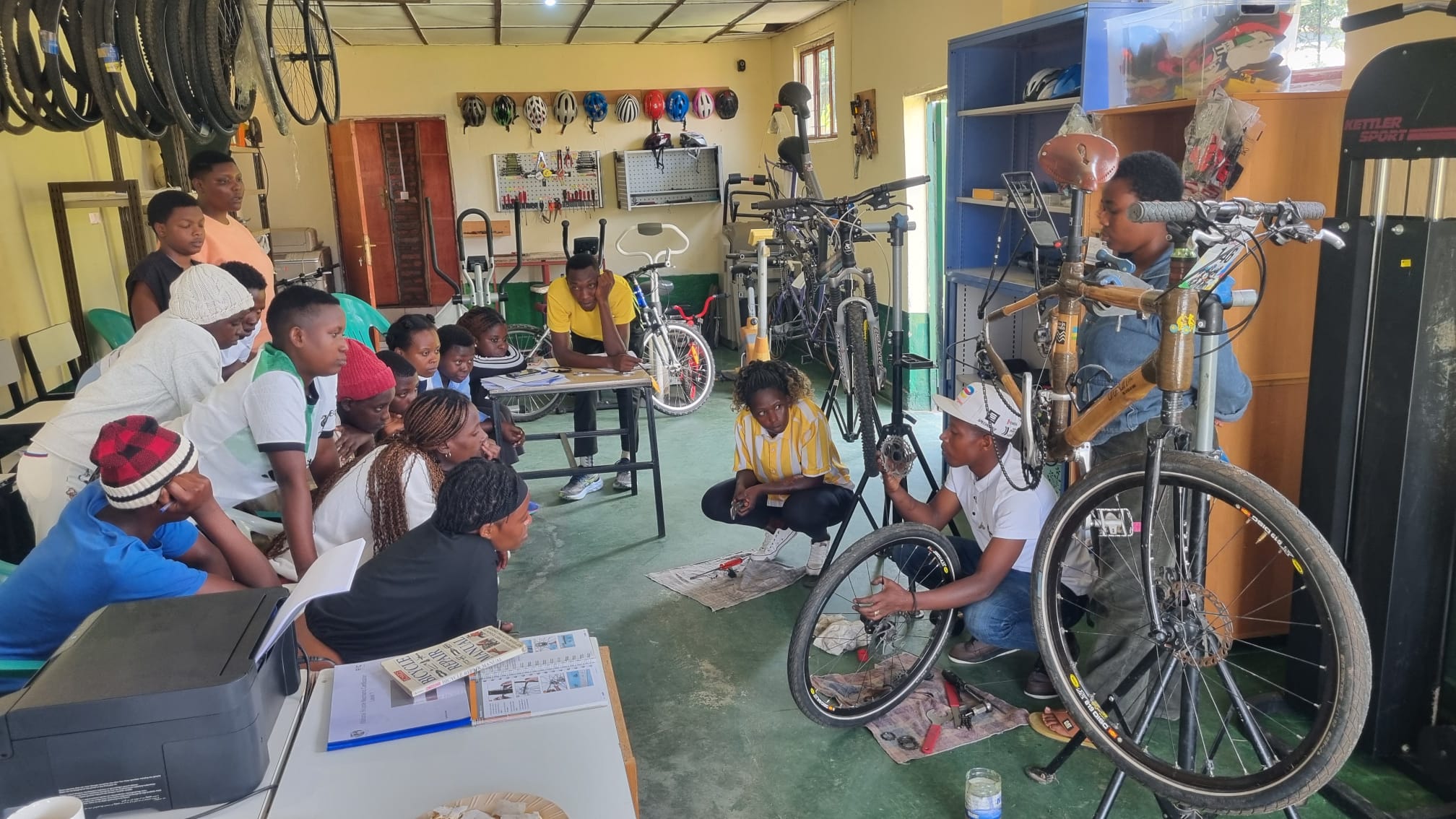
Amasaro project va dans ce sens, en permettant à des jeunes filles/femmes, mères ou non, de sortir de la précarité par l’acquisition d’un métier pour lequel les débouchés sont prometteurs. Amasaro a décidé de s’installer loin de Kigali, mais près des centres touristiques, au bord du lac Kivu, où la pratique du cyclisme est particulièrement favorable. Un local a été loué puis aménagé en atelier d’entretien de vélos où 15 jeunes femmes, présélectionnées, ont pu commencer la formation début janvier, encadrées par des professionnels qualifiés et expérimentés. Après un tri sévère, seules les plus motivées pourront arriver au bout de la formation de six mois et obtenir le diplôme de mécanicienne sur vélo. Il est prévu deux volées de 15 au maximum par année.
Story
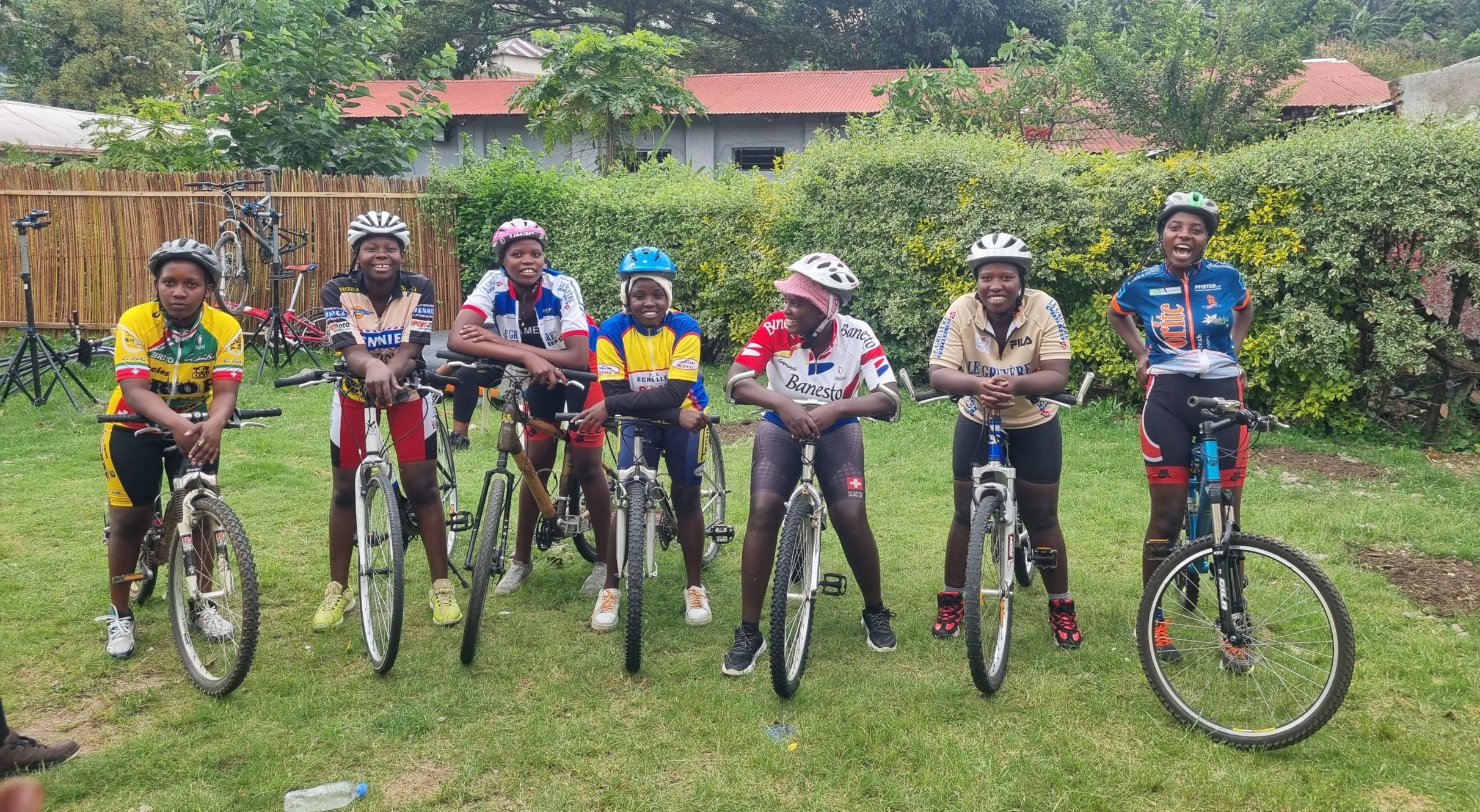
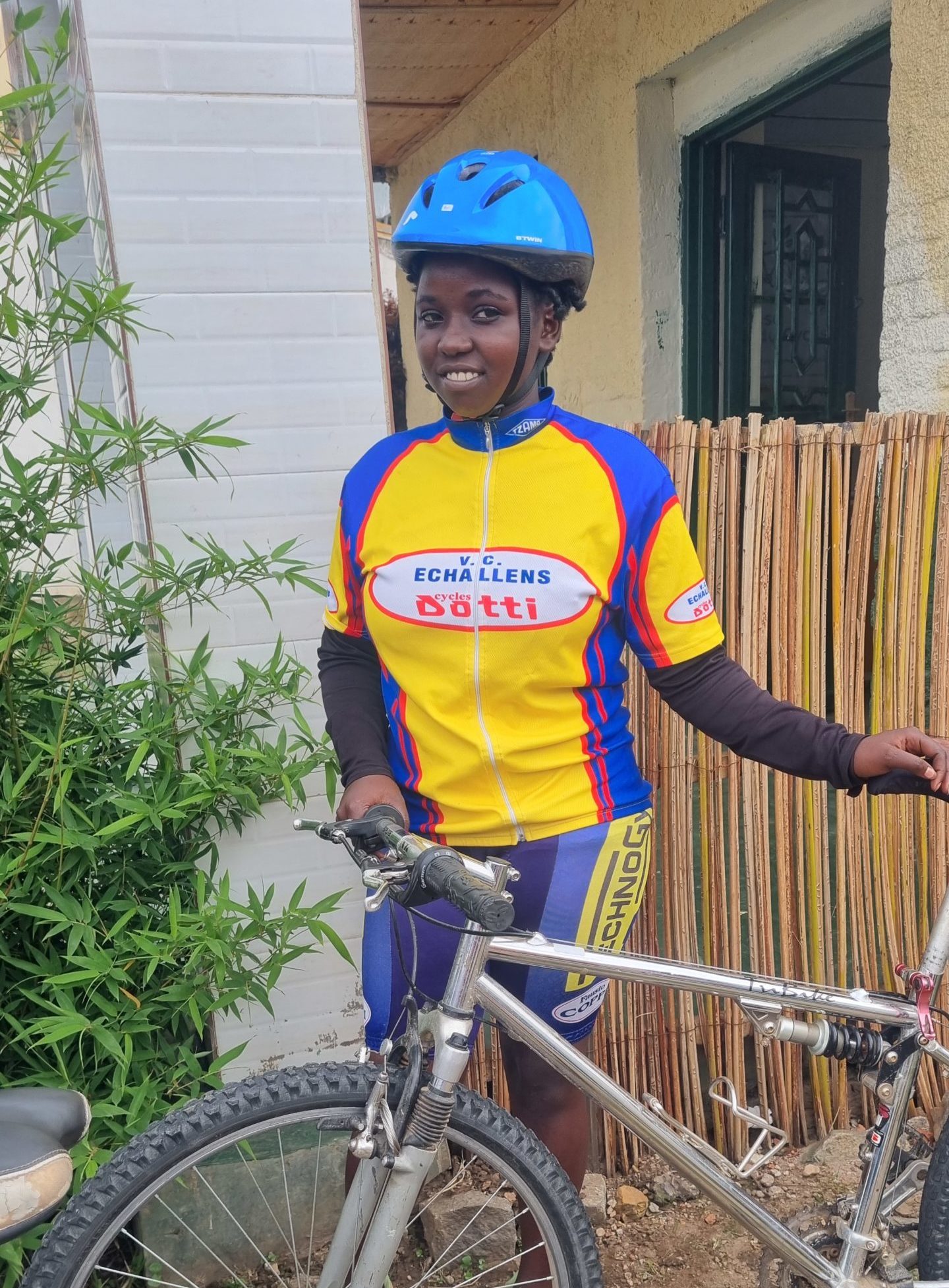
Students from the Amasaro Project ready for a bike ride
A Promising New Project
2026-03-18
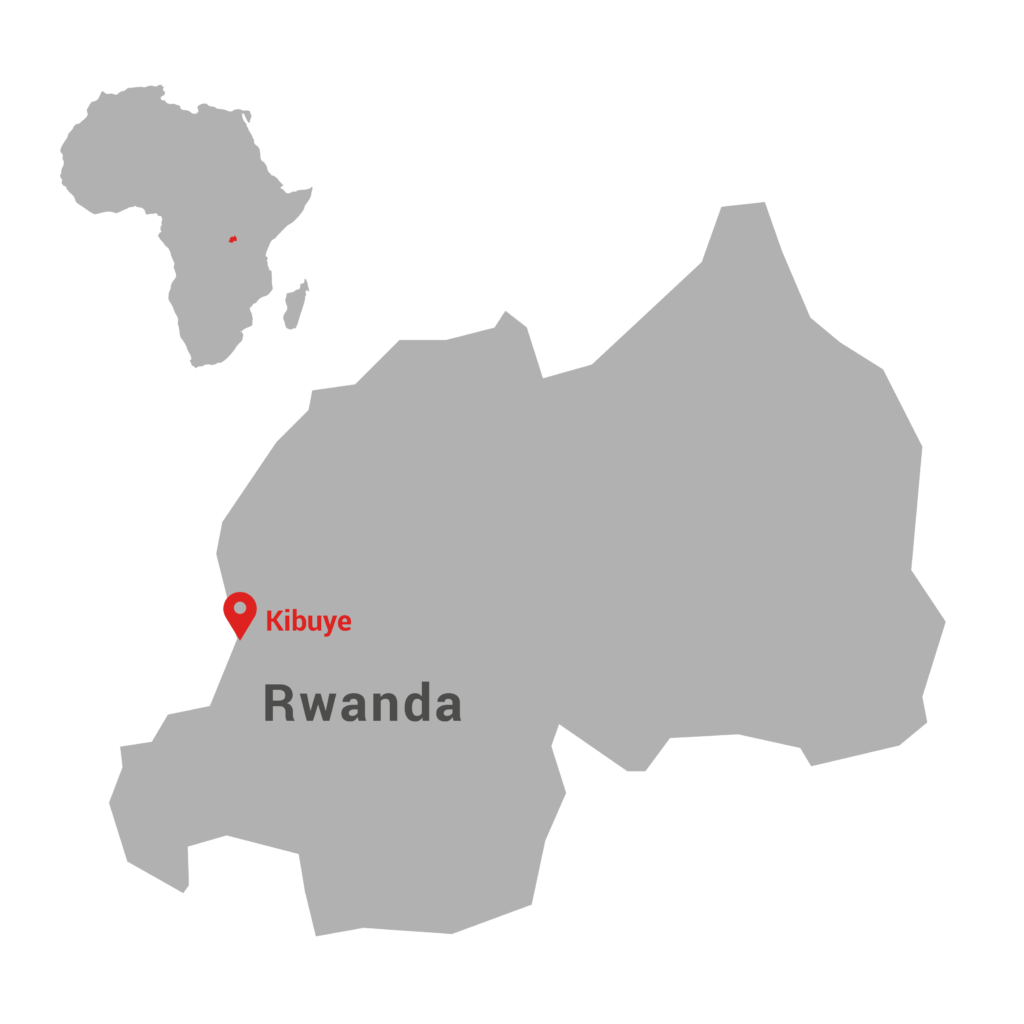
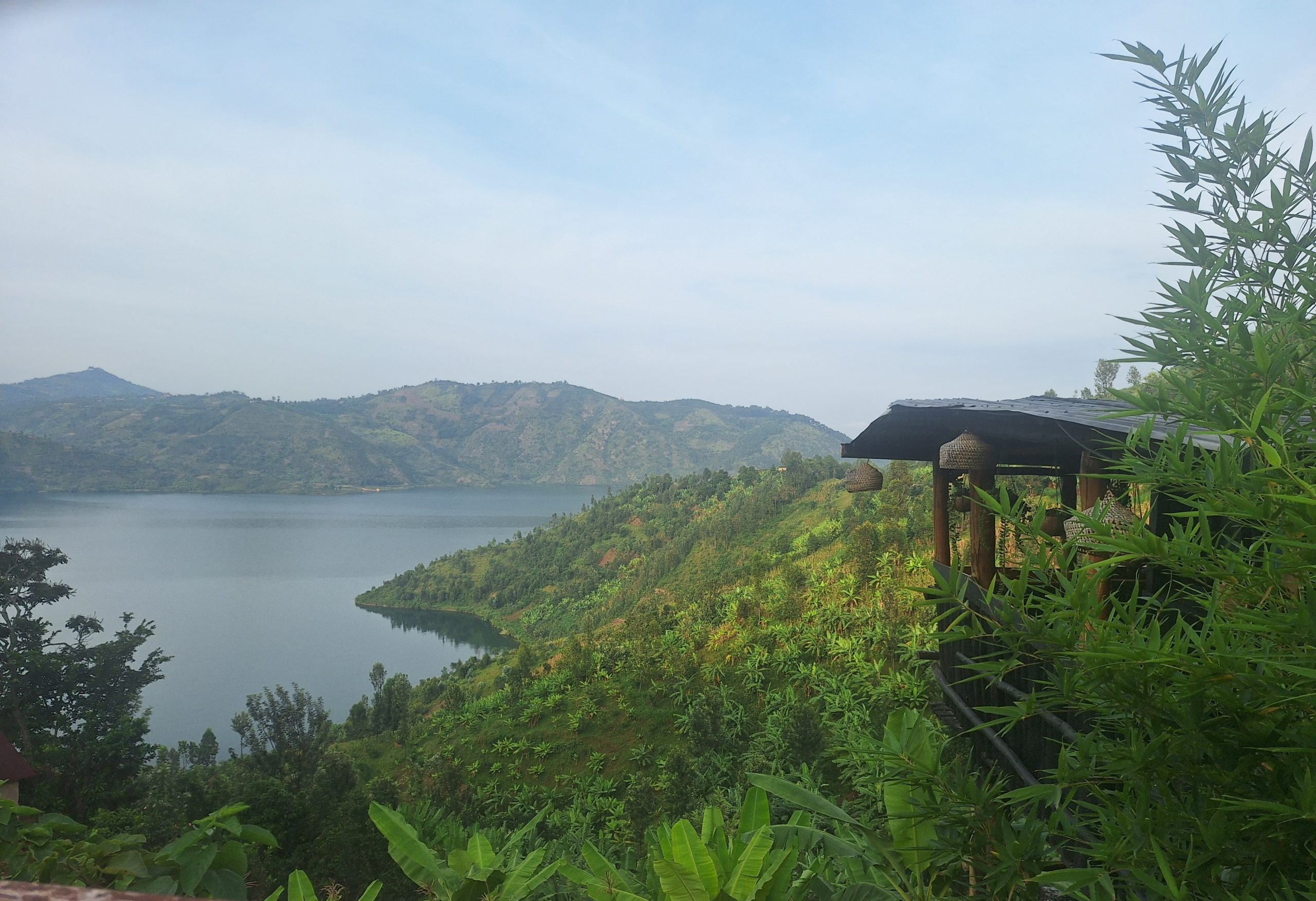
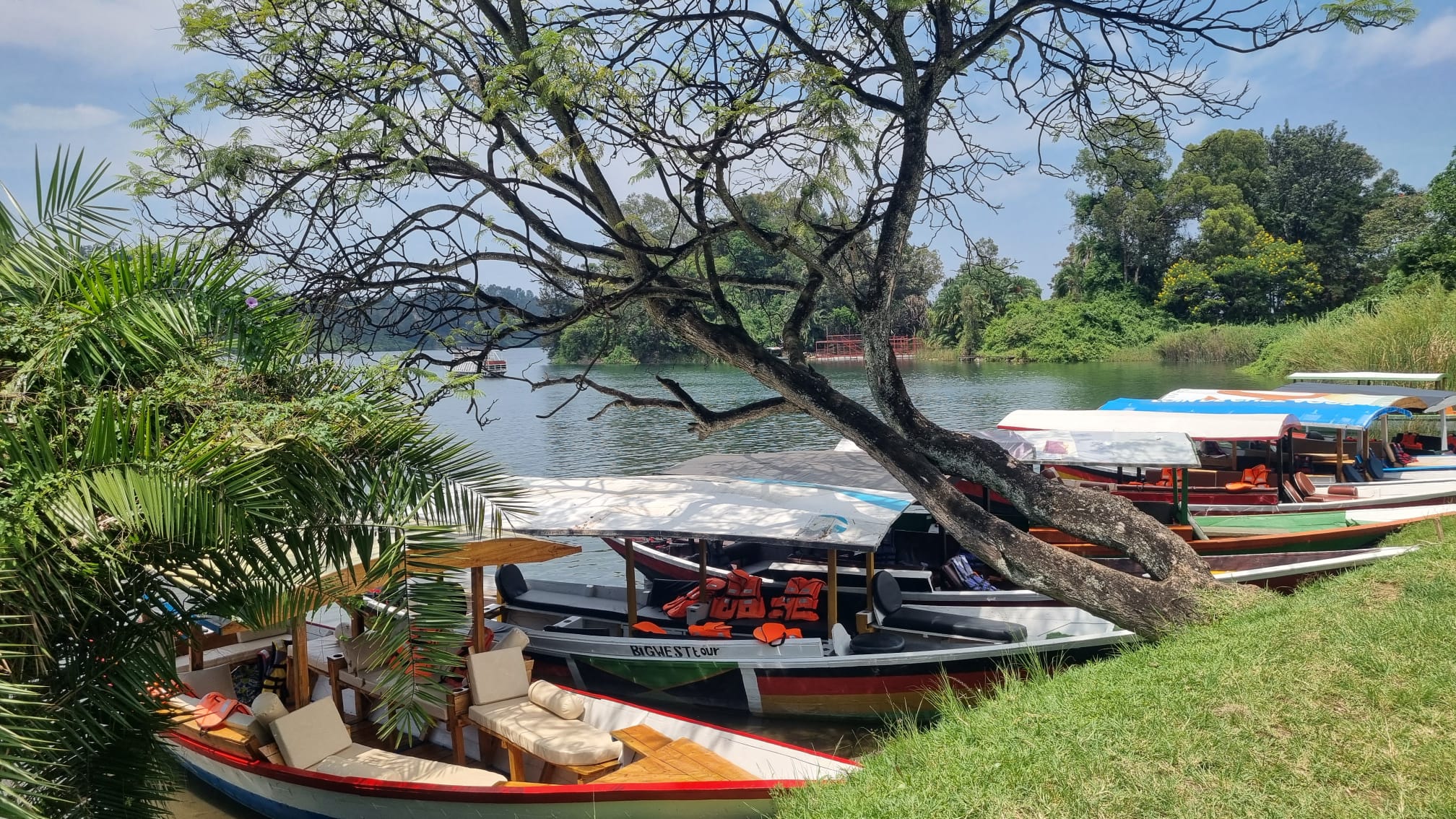
One of the objectives of the Hermann Foundation president’s trip to Rwanda in late January 2026 was to attend the launch of the innovative Amasaro project. Not only does it build on the idea of training female bicycle mechanics, but it also focuses on job opportunities for the graduates. Hence the trip from Kigali to Kibuye, on the shores of Lake Kivu, where Rwanda’s main tourism industry is concentrated—particularly cycling—and where opportunities for vocational training are very scarce.
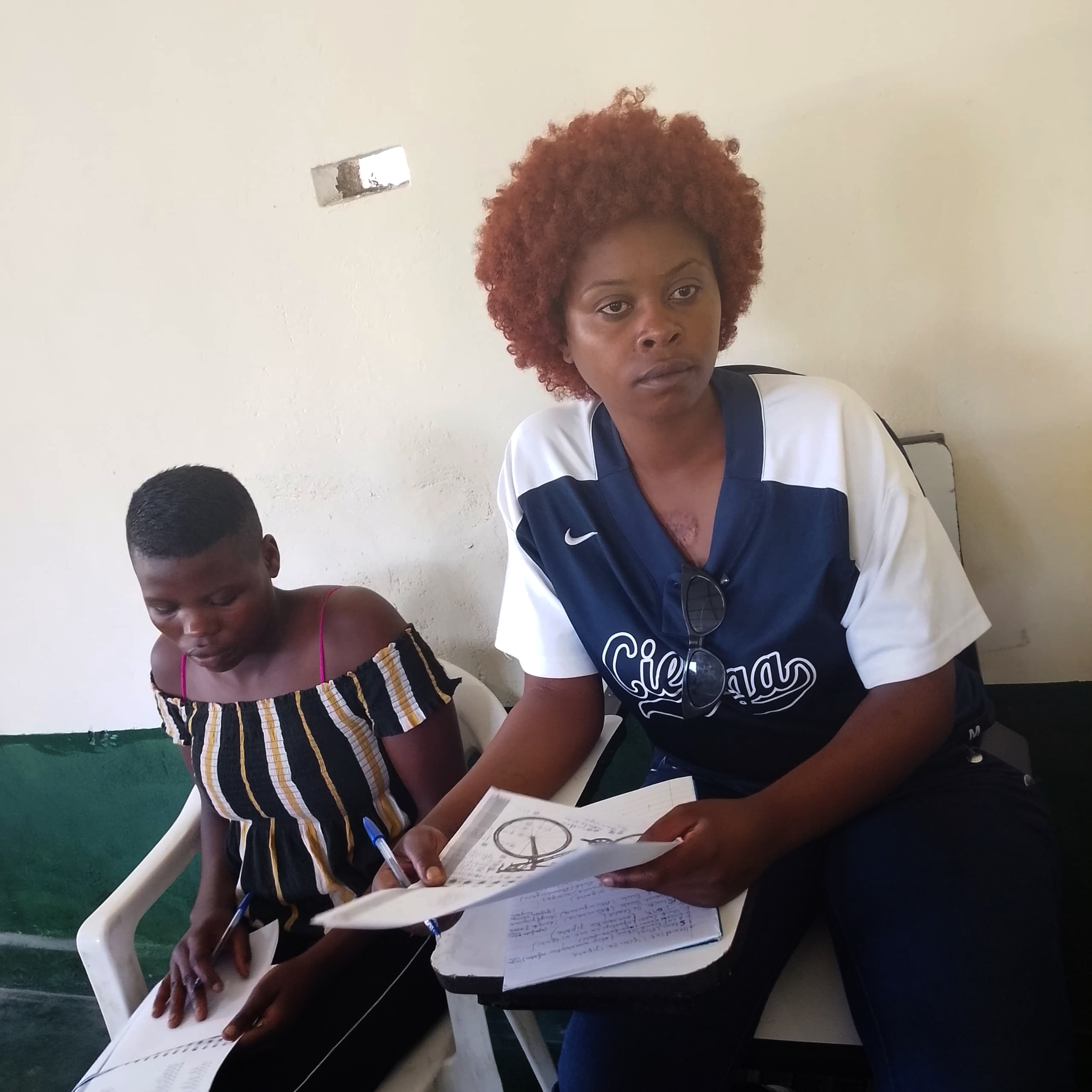
The program is designed to have several levels. After Level 1, an initial selection will be made among the apprentices, and only the most motivated and diligent will be chosen for Level 2. Fifteen young women are participating in these initial classes, taught by Gratien, an experienced bicycle mechanic (employed by the UCI during competitions held in Rwanda). To avoid any conflict with the families (apprentices prevented from attending class to perform their household chores), the families were invited to attend the classes and share their opinions. Most are fully prepared to support their daughters so that they can earn their diploma upon completing the full program.
In addition, these girls are also learning to ride bicycles (an activity normally reserved for boys).
English classes are also planned for the future so that these young women can communicate with tourists who will need their services. This rather ambitious project, developed with dedication and great enthusiasm by its founder and director, Joëlle Huguenin, holds great promise and is quite compelling.
Latest news about the project
News
2026-07-18
Amasaro Project
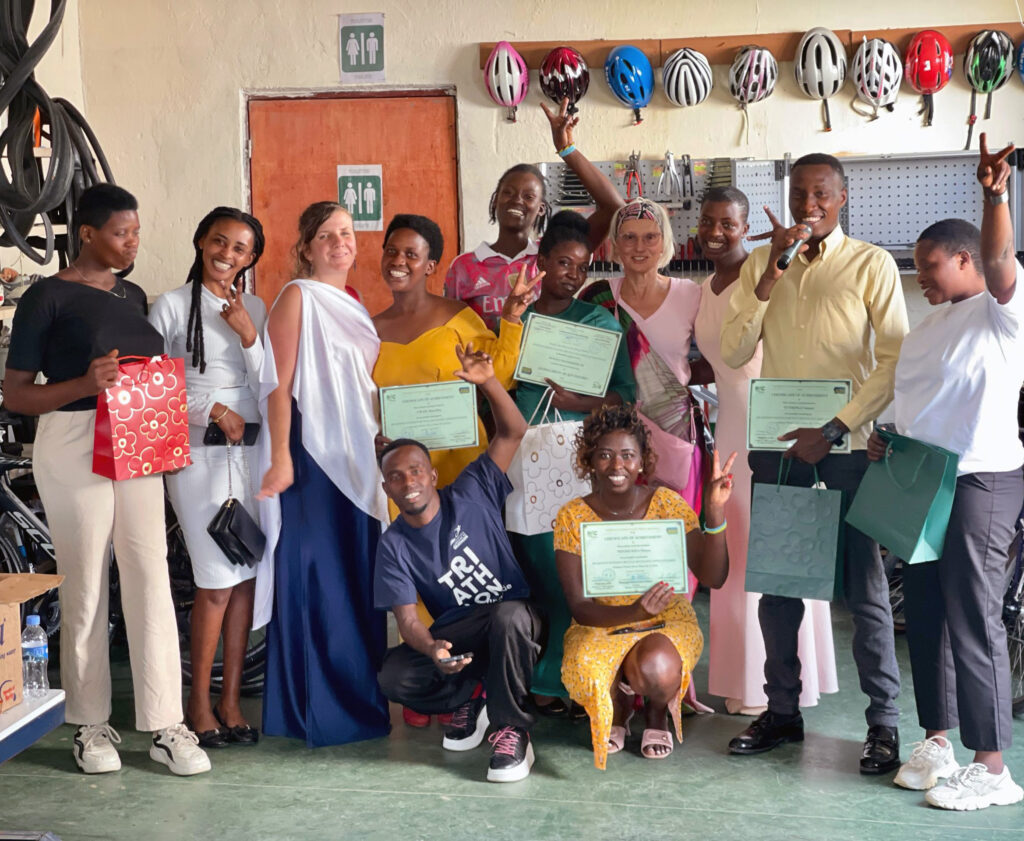
Eight girls and two boys successfully cross the finish line.
Eight young women and two young men passed the final technical and practical exams under the supervision of Sean Belfast…